The Hidden Game Behind Search Engine Authority
The search results you scroll through each day are not random. They are shaped by a complex system of authority signals, trust calculations, and content relevance scoring. Among these, external references pointing toward a website remain one of the most influential ranking factors.
But the way those references are obtained matters more than most people realize. What looks like a shortcut today can quietly turn into a long-term liability tomorrow.
Why Link Signals Still Control Visibility
Search engines evaluate websites partly by analyzing how often other domains choose to reference them. When those references come from credible, contextually relevant sources, they reinforce legitimacy.
However, the system is sensitive to manipulation. Artificial patterns, repetitive anchor text, or suspicious linking networks can trigger filters that suppress visibility instead of boosting it.
The Dangerous Appeal of Fast Authority Gains
Many site owners get tempted by rapid ranking improvements. The idea of accelerating authority through paid placements or pre-built networks sounds efficient, especially in competitive niches.
This is where risk enters the picture. Some methods rely on artificially constructed domains, recycled content farms, or interconnected blog networks designed to simulate organic endorsement. While they may produce short bursts of movement, they often lack durability under algorithm updates.
Why Some Link Sources Become Toxic Over Time
Not all backlinks are equal, and some can actively damage trust signals. Common red flags include:
- Domains with no real traffic but inflated metrics
- Repeated footprints across unrelated websites
- Over-optimized anchor patterns
- Sites created solely for outbound linking
- Content that provides no informational depth
When these signals cluster together, they can cause ranking instability or algorithmic devaluation.
The Reality Behind Paid Link Ecosystems
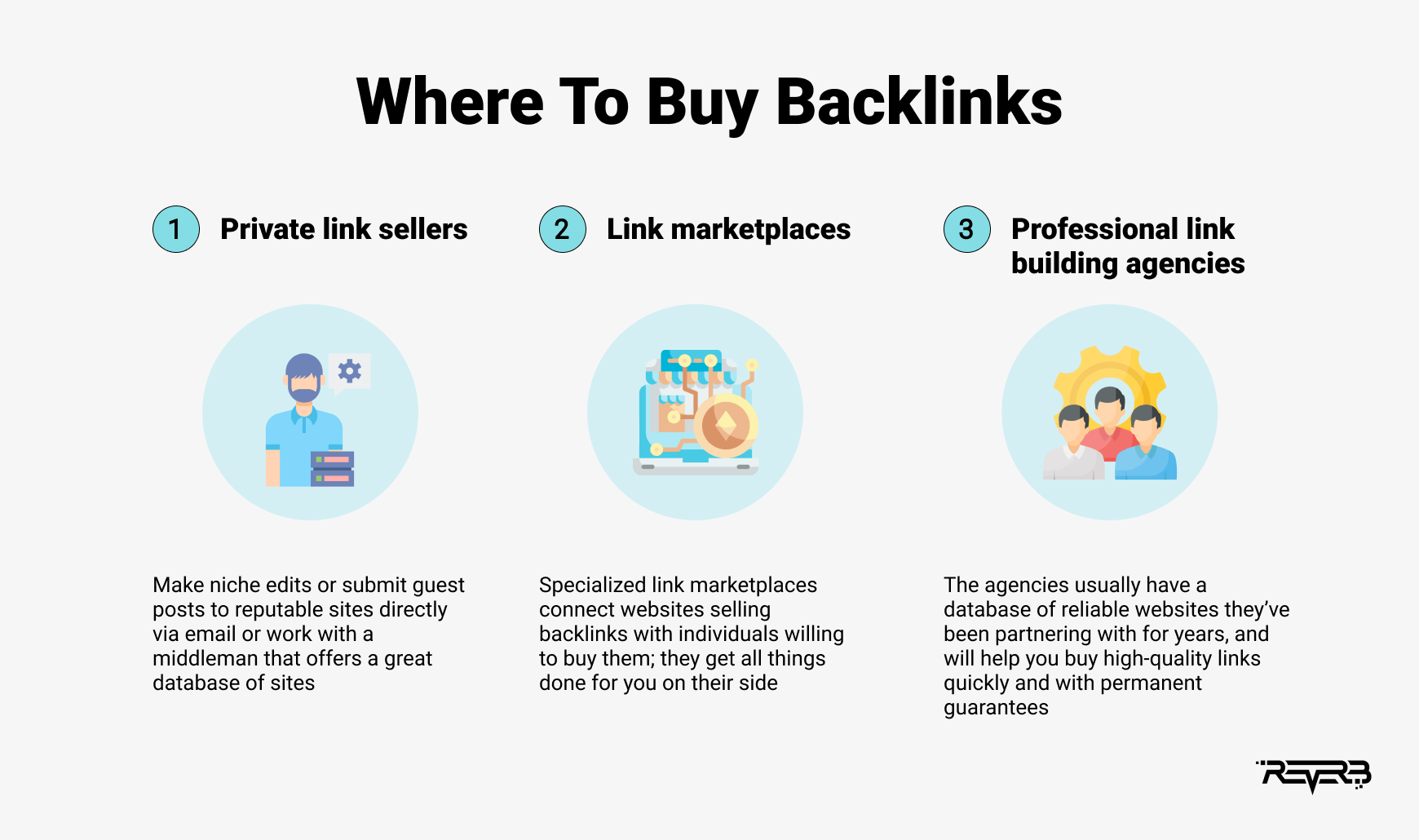
There are platforms and agencies in the SEO industry that facilitate editorial placements, guest posts, and sponsored content arrangements. These exist across a spectrum of quality, transparency, and compliance with search engine guidelines.
However, any system that sells links purely for ranking manipulation enters a gray area. Search engines explicitly discourage link schemes designed to artificially influence rankings, and violations can lead to penalties or loss of organic visibility.
For that reason, it’s important to prioritize transparency, editorial standards, and genuine audience value over shortcuts.
A Safer Way to Think About Authority Building
Instead of chasing quick injections of link equity, sustainable strategies focus on earning mentions through relevance and usefulness. This can include:
- Publishing original research that others naturally cite
- Building partnerships with legitimate industry publications
- Creating tools or resources people want to reference
- Leveraging digital PR campaigns for organic coverage
- Contributing expert commentary to reputable sites
These approaches take longer but tend to produce stable, compounding results.
Why Cheap Links Often Collapse Under Scrutiny
Low-cost link packages are usually built on scale rather than quality. While they may appear attractive at first glance, they often rely on weak infrastructure that search engines can easily categorize as artificial.
The result is frequently a pattern of initial improvement followed by gradual decline, especially after algorithm updates recalibrate trust signals.
Where Many SEO Campaigns Go Wrong
A common mistake is prioritizing volume over context. Ten irrelevant placements rarely outperform one strong, editorially placed mention within a respected niche publication. To see why SEO goes wrong when you buy backlinks see this guide.
Another issue is over-optimization of anchor text, which can make a profile look engineered rather than naturally earned.
A Strategic Reality Check
At one point in the SEO industry, the phrase buy backlinks was used casually to describe aggressive growth tactics. Today, that mindset carries far more risk, and in many cases, it conflicts directly with modern search quality guidelines.
Final Perspective on Long-Term Rankings
The strongest websites are rarely built on shortcuts. They accumulate authority through consistent publishing, meaningful relationships, and signals that reflect real user value.
While fast-track methods may appear tempting, the most resilient growth usually comes from strategies that could still make sense even if search engines stopped existing tomorrow.